In July 2025 we finally took the other path: betting everything on the consumer AI agents. It was the market we had wanted from the start, and by then it had actually arrived.
Turning raw data into rich context
Contrary to the legacy systems used in retail, AI agents could make the most out of the rich context we were providing. With our digital self, agents could transform from boring chatbots into truly personal assistants.
From a technical point of view, the key challenge was turning extremely noisy data into an accurate representation of the user and their preferences.
The smallest unit of data was a single user interaction on a digital platform — one Google search, one Youtube video watched, one Instagram story posted — and we called it a "thread". Threads from different providers were woven together into a "tapestry" of you.
On top of threads we built two more layers. Memories: themes distilled from many threads, which is where you start separating what someone actually cares about from the random search and the cat videos. And summaries: a paragraph per week, written automatically as you go about your life, grouped into chapters. Your biography, kept up to date by your own digital footprint.
Our first product was an MCP server that people could use to bring all their context into agents like ChatGPT and Claude. Suddenly, these agents were acting almost like friends. With the context we provided, they could know your favourite food, what you did last weekend and your plans for the summer. All this information allowed them to provide the most useful answer to your questions and even be more proactive.
MCP was a turning point. We no longer needed to convince a large company to integrate Fabric into their product; any user could connect their favourite agent to Fabric and immediately feel the difference.
Data portability had never been a trending topic. Now, thanks to AI agents and a rebranding to "context portability", it had a chance to prove its worth. We knew from the beginning that the market was extremely early and so we had to find ways to educate people about what was possible when agents can access your personal context.
Therefore, alongside building the infrastructure, we were also building relationships with the various big tech companies that were providing us the data and the regulators enforcing the users' data portability rights. This gave us credibility in a time where the most common question we were asked was "how's this legal?".
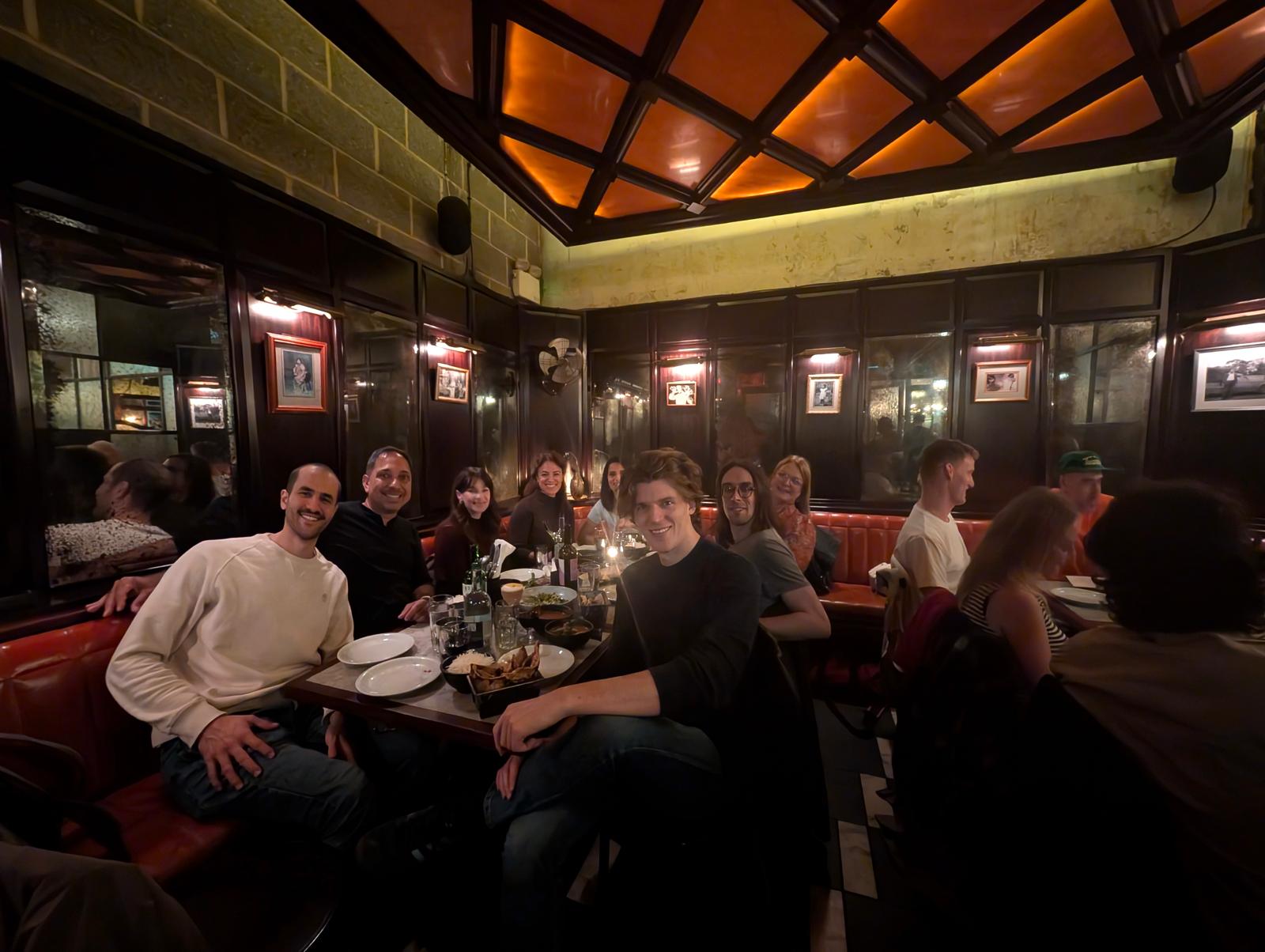
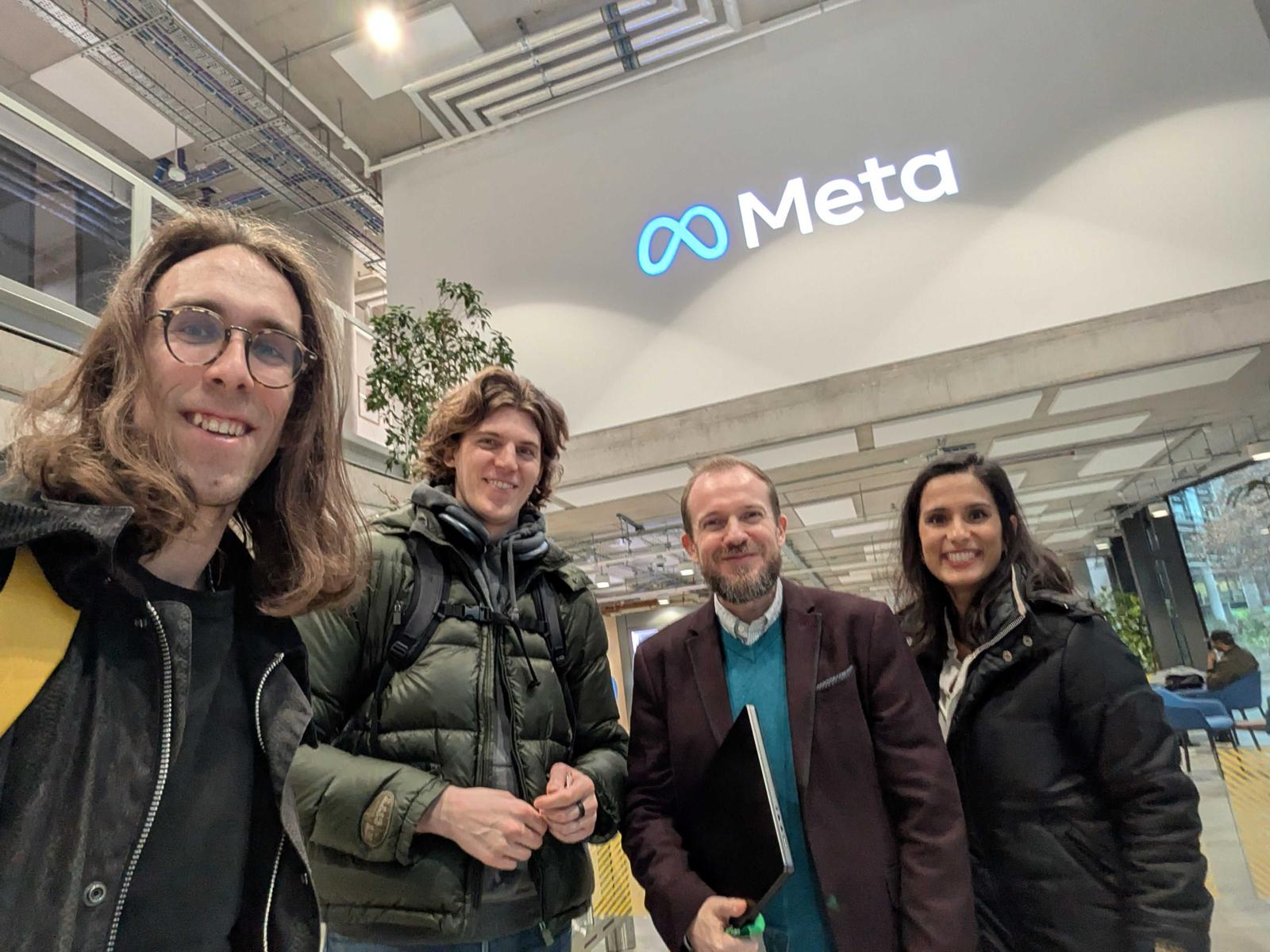
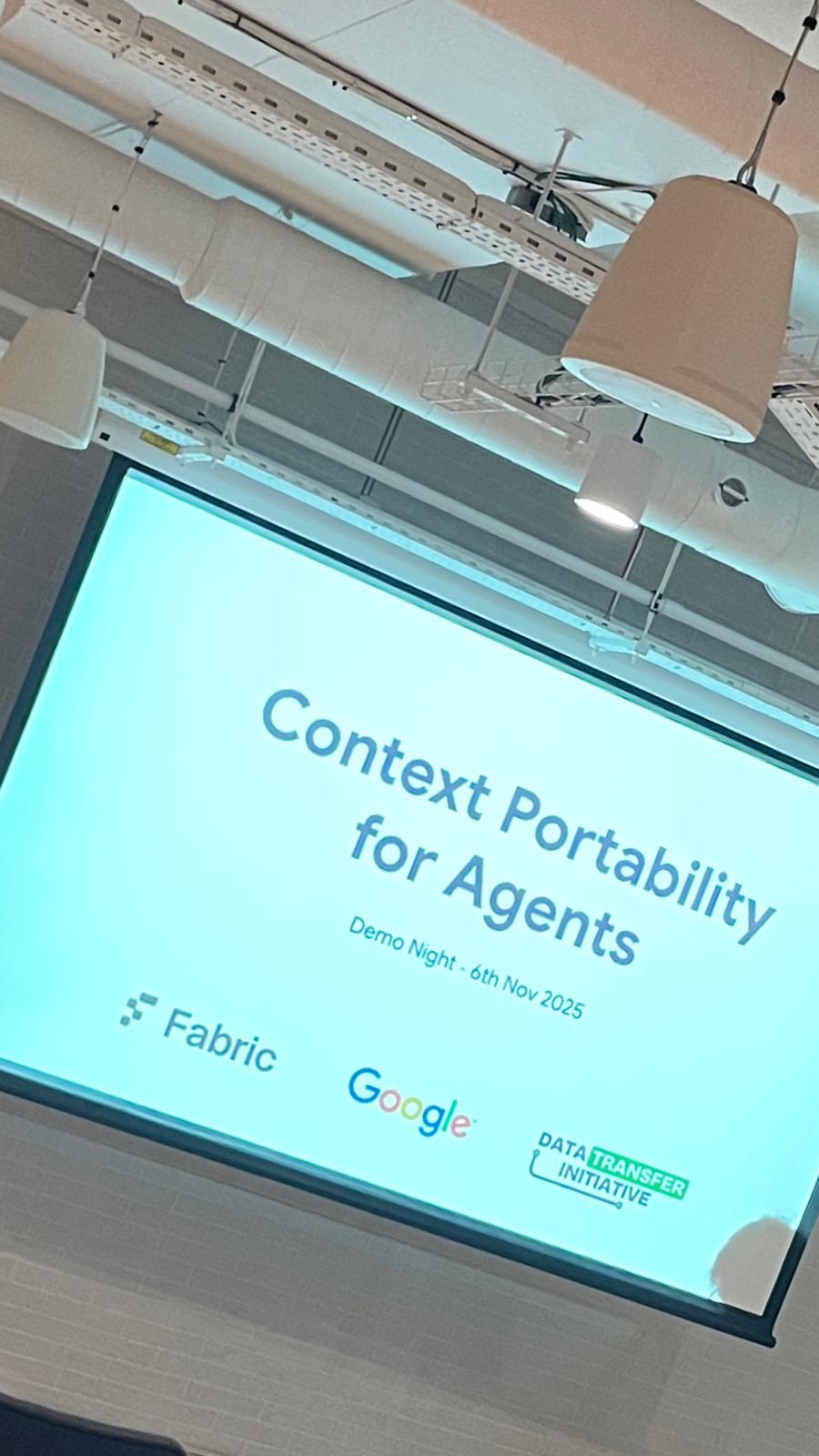
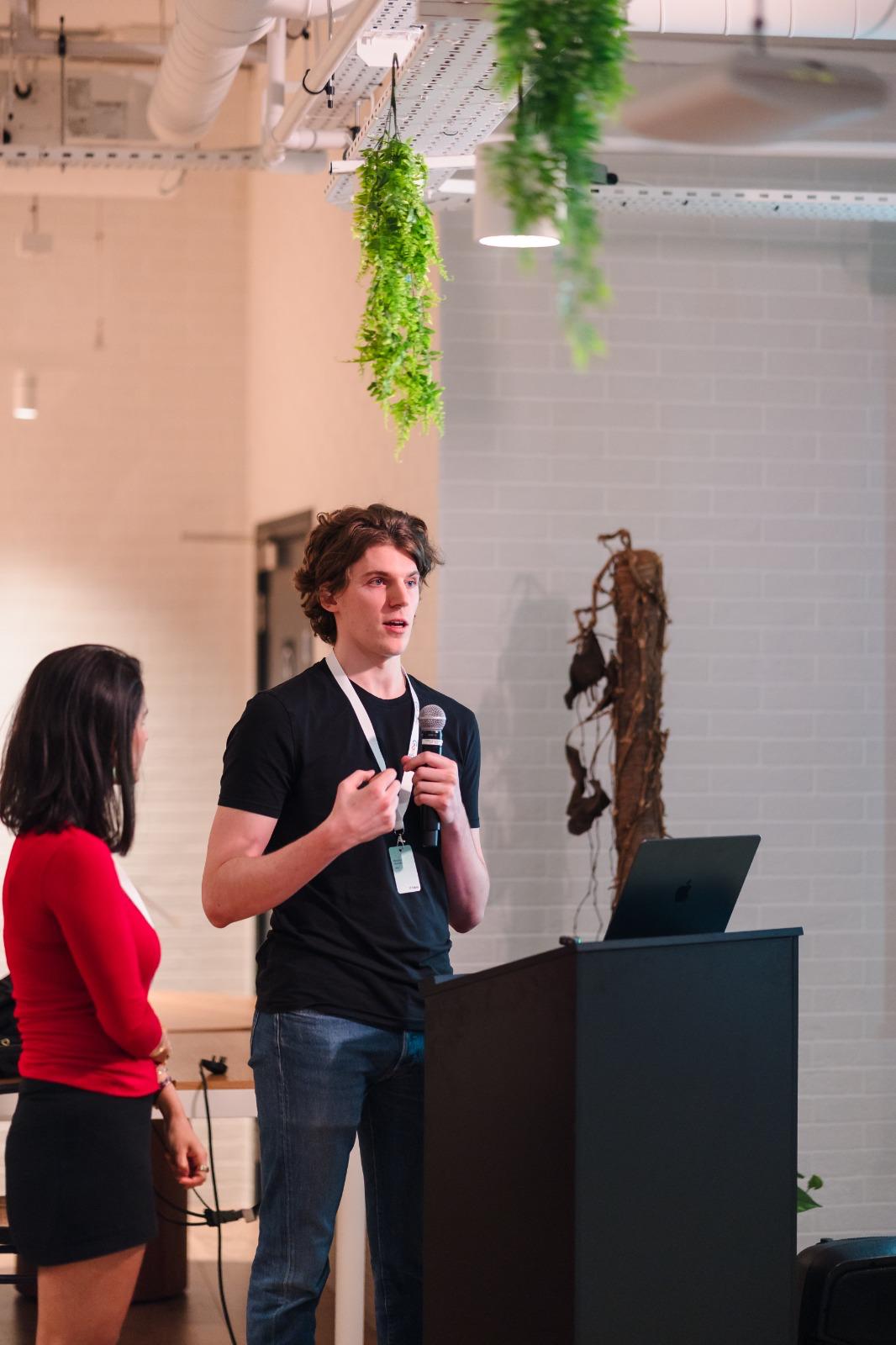
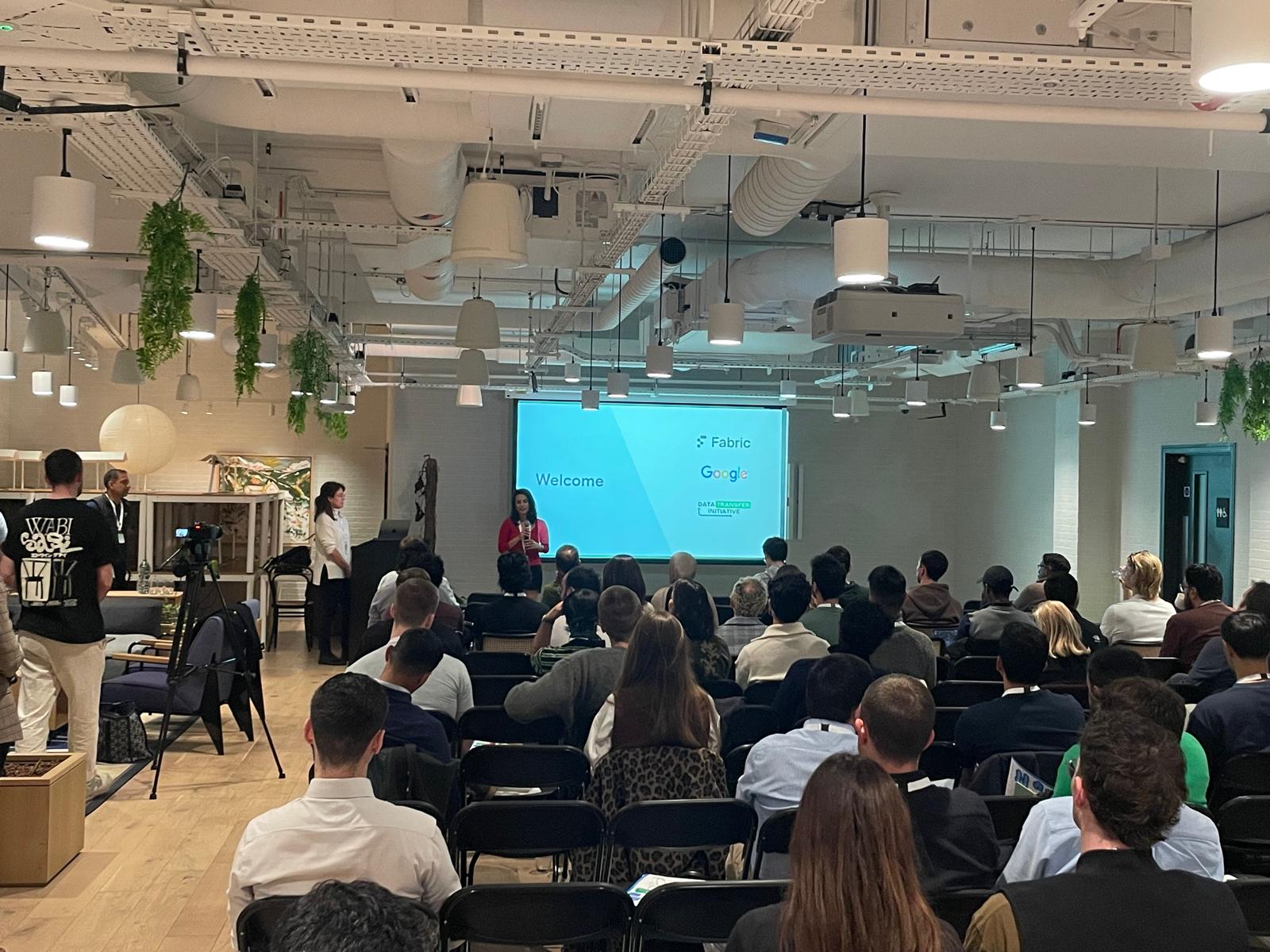
In November we organized an event in London on context portability for agents, co-hosted with Google and the Data Transfer Initiative where we demoed the MCP server and showed what users had built on top of Fabric.
The MCP was a great way to capture the imagination of product managers and engineers at various consumer companies, who, once they tried it, asked the same follow-up question: how can I bring it into the product I'm building?
Soon after, we launched the developer product properly, with a deliberately generous free tier. The goal was for someone to be able to go from zero to a context-aware app in the span of a hackathon.